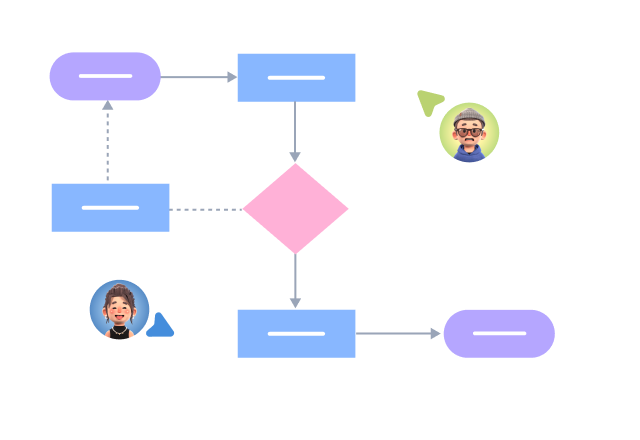


Supports real-time multi-user co-creation with shareable links for instant information transfer
Automatically generates graphics from text input and applies style enhancements
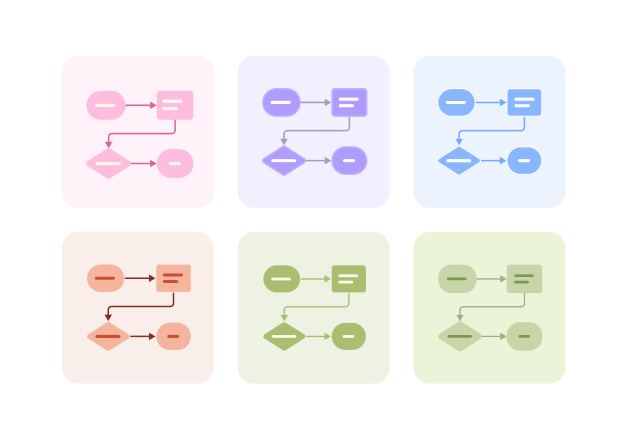
Prebuilt themes with full customization for personalized designs
Supports icons, images, labels, LaTeX formulas, code blocks, links, attachments and more
Export: PNG, Xmind, PDF, SVG | Import: Xmind, Markdown
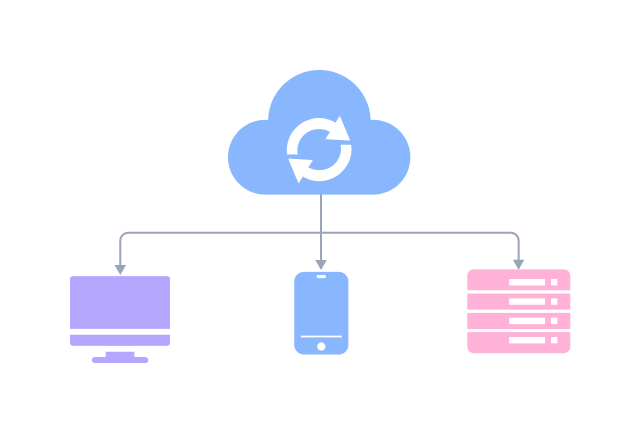
Real-time cloud storage, multi-device sync, version history, and secure data protection
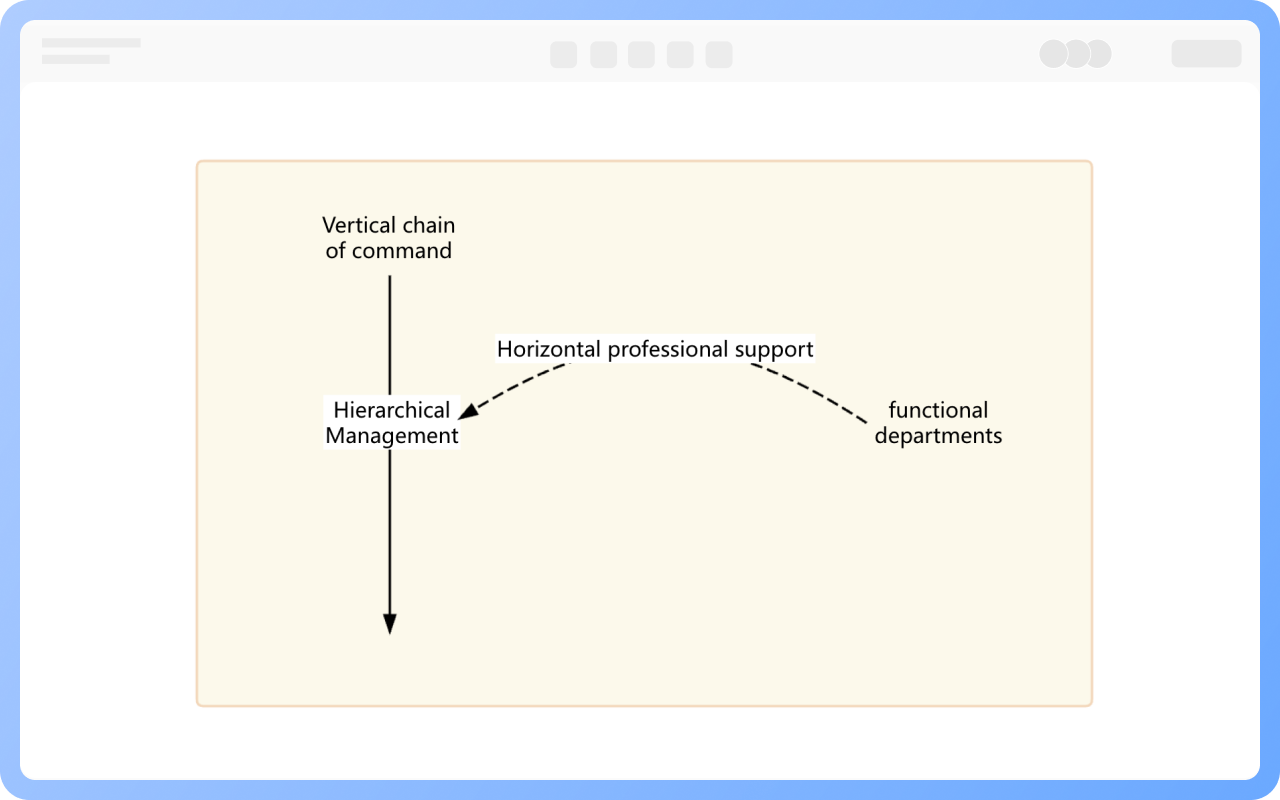
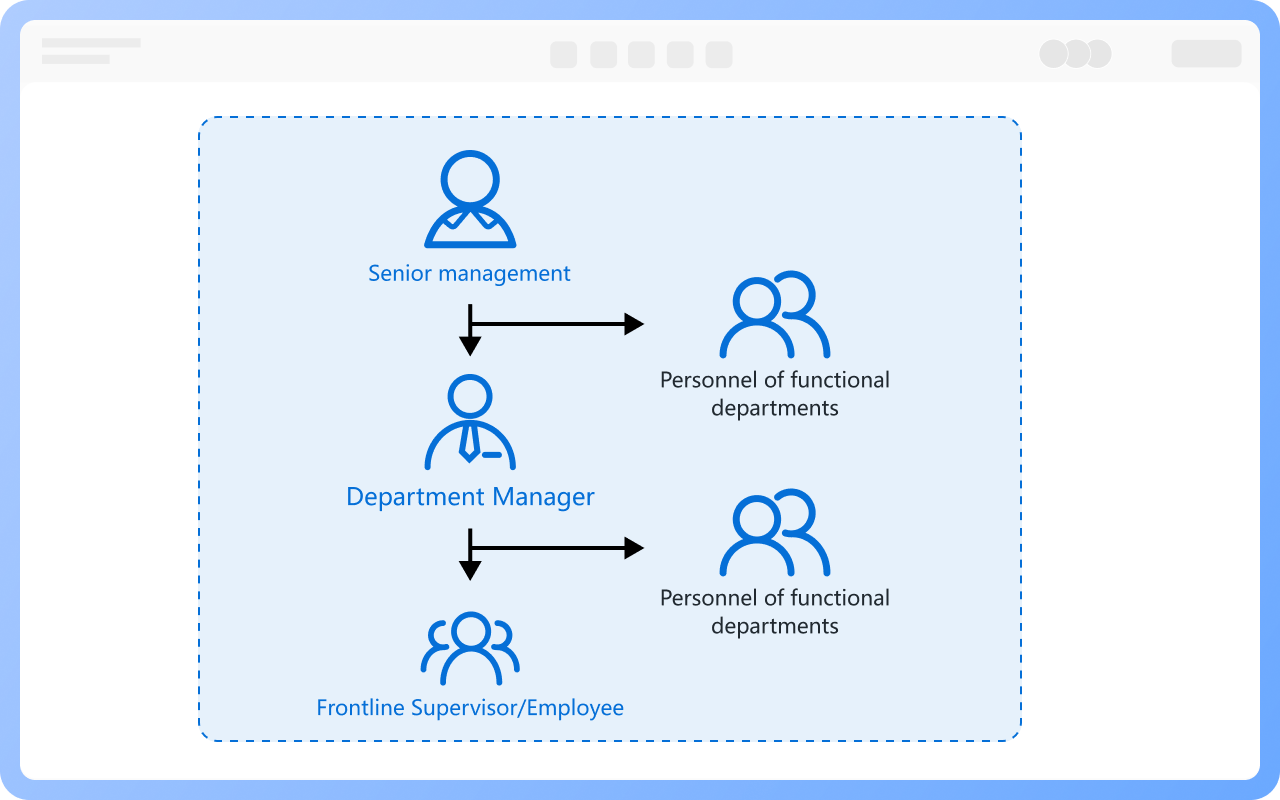
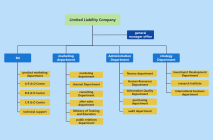
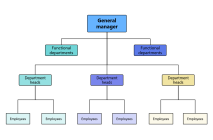
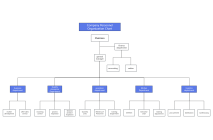
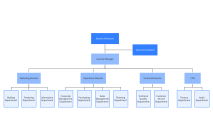
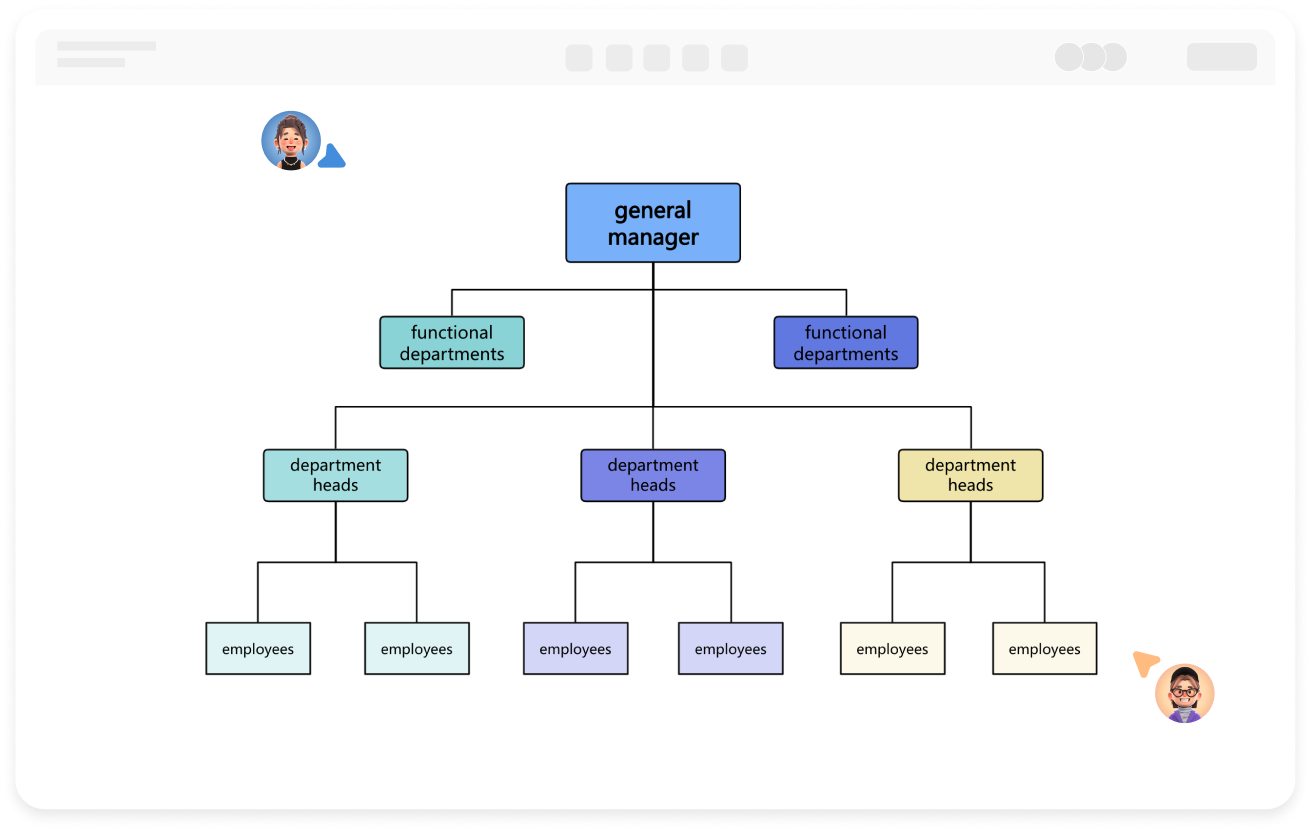
Line departments directly manage business (such as production, sales) and have decision-making authority; functional departments provide professional support (such as finance, HR) and do not have direct command authority.
Clarify collaboration processes (such as cross-department approval nodes), establish coordination positions (such as project managers), and use tools (such as flowcharts) to visualize collaboration paths.
They cannot directly intervene but can indirectly influence decisions by providing professional advice (such as market analysis reports) and setting standards (such as budget rules).
It is not suitable. Due to its multiple levels and strict processes, it tends to suppress flexibility and is more suitable for standardized, mature businesses (such as manufacturing).
It can adapt by establishing agile teams (such as temporary project groups), reducing cross-department approval levels, and using digital tools to accelerate information transmission.
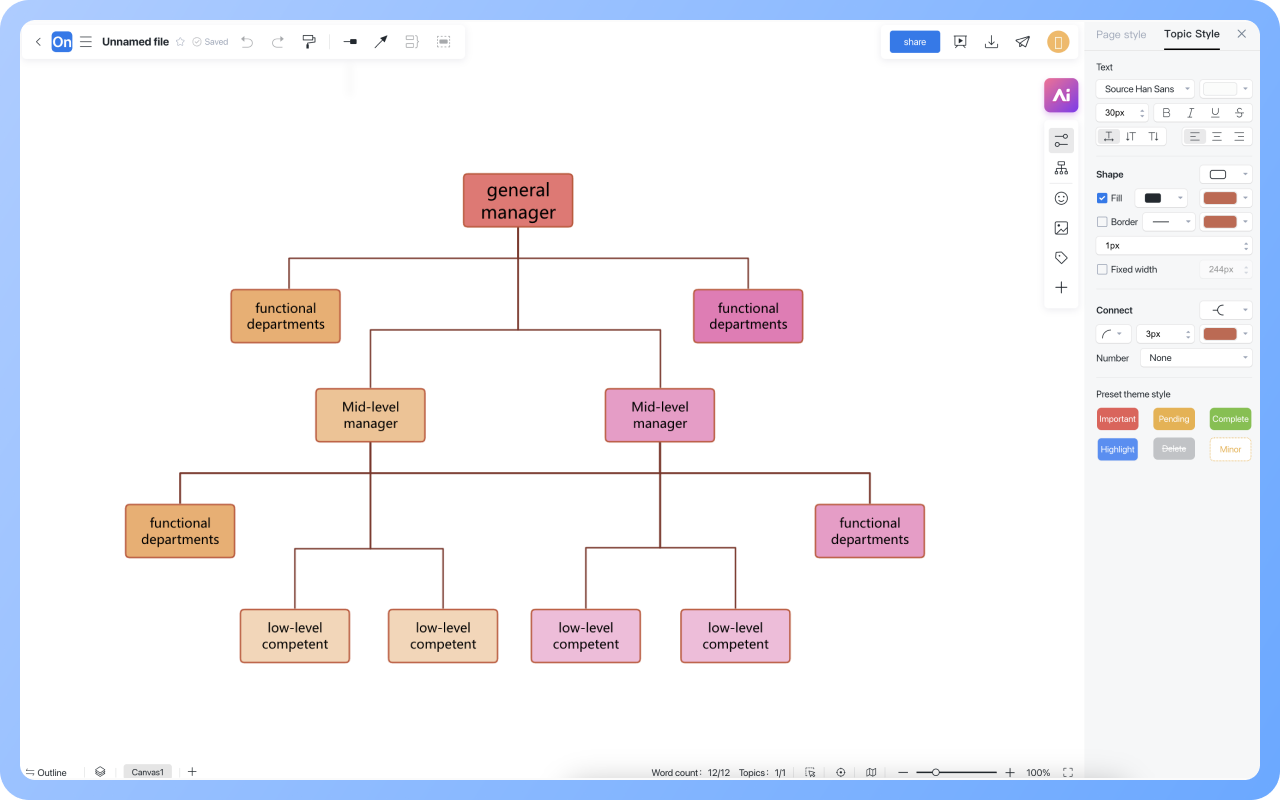
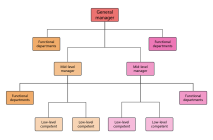
Yes. ProcessOn flowchart tools can be used to draw a line-functional organizational structure diagram.
Mind mapping tools: Select the topic, and in the right toolbar style, different department levels can be set to different colors;
Flowchart tools: Select the shape, and in the top toolbar, different department levels can be set to different colors.