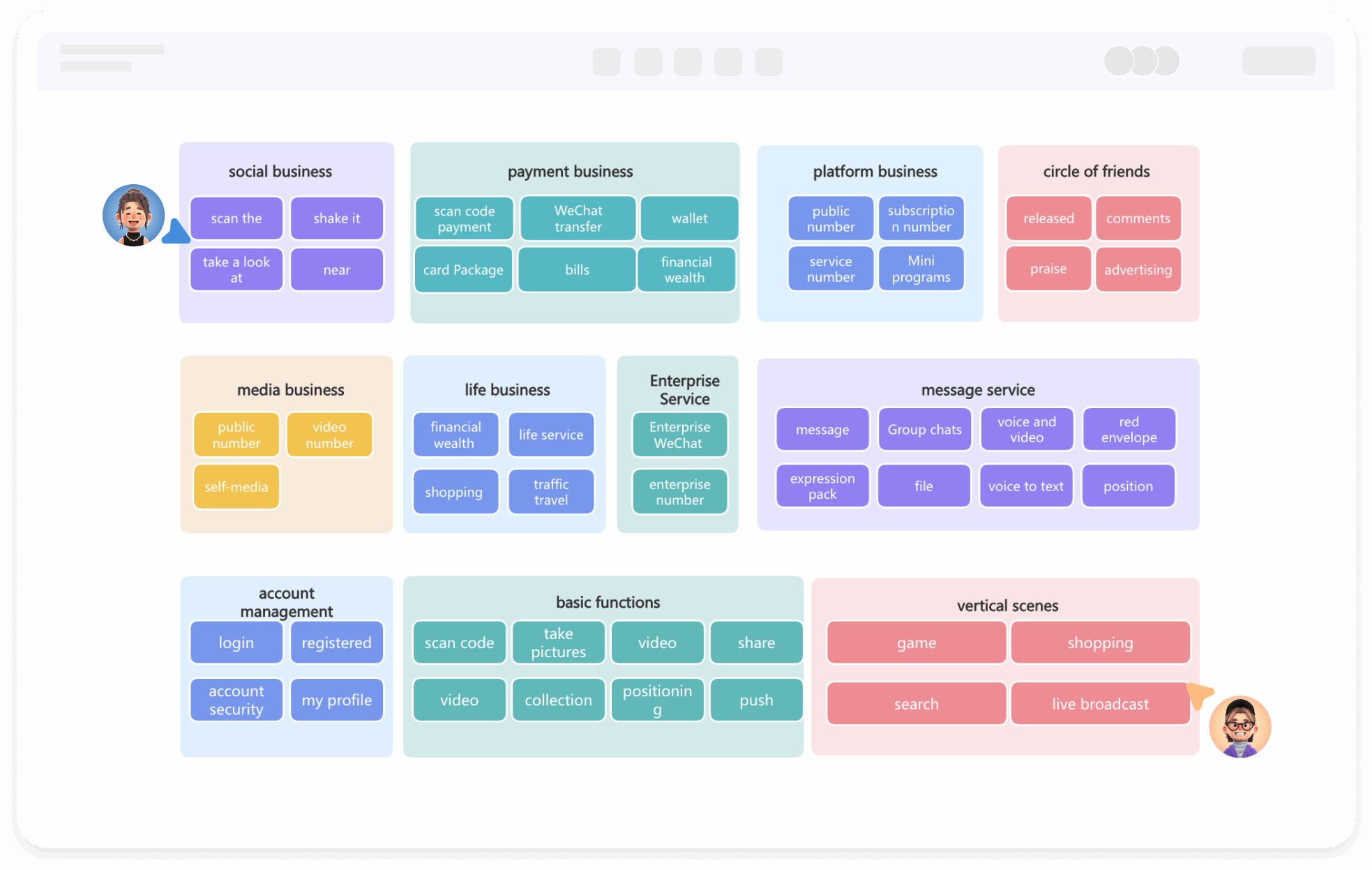


Supports real-time multi-user co-creation with shareable links for instant information transfer
Automatically generates graphics from text input and applies style enhancements
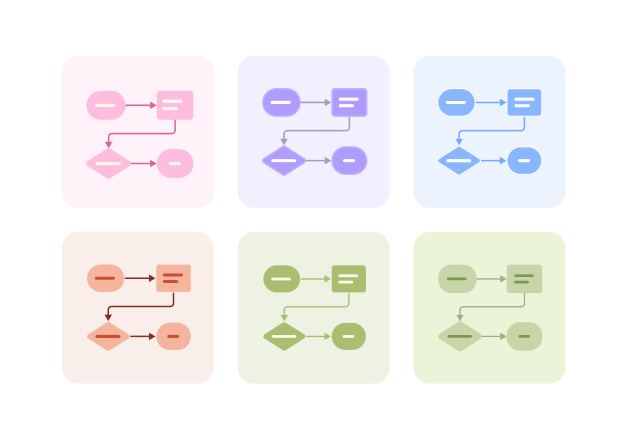
Prebuilt themes with full customization for personalized designs
Supports icons, images, labels, LaTeX formulas, code blocks, links, attachments and more
Export: PNG, VISIO, PDF, SVG | Import: VISIO, Mermaid
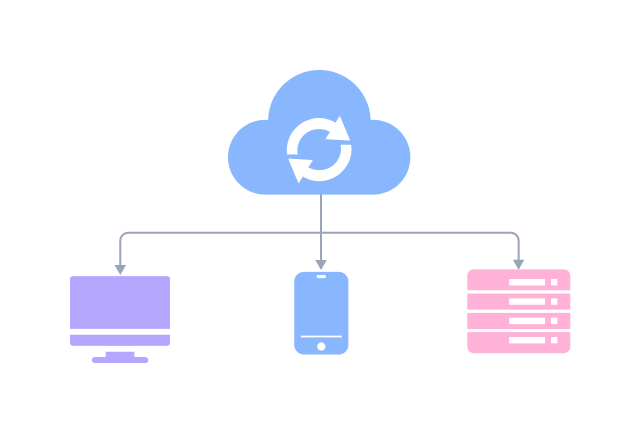
Real-time cloud storage, multi-device sync, version history, and secure data protection
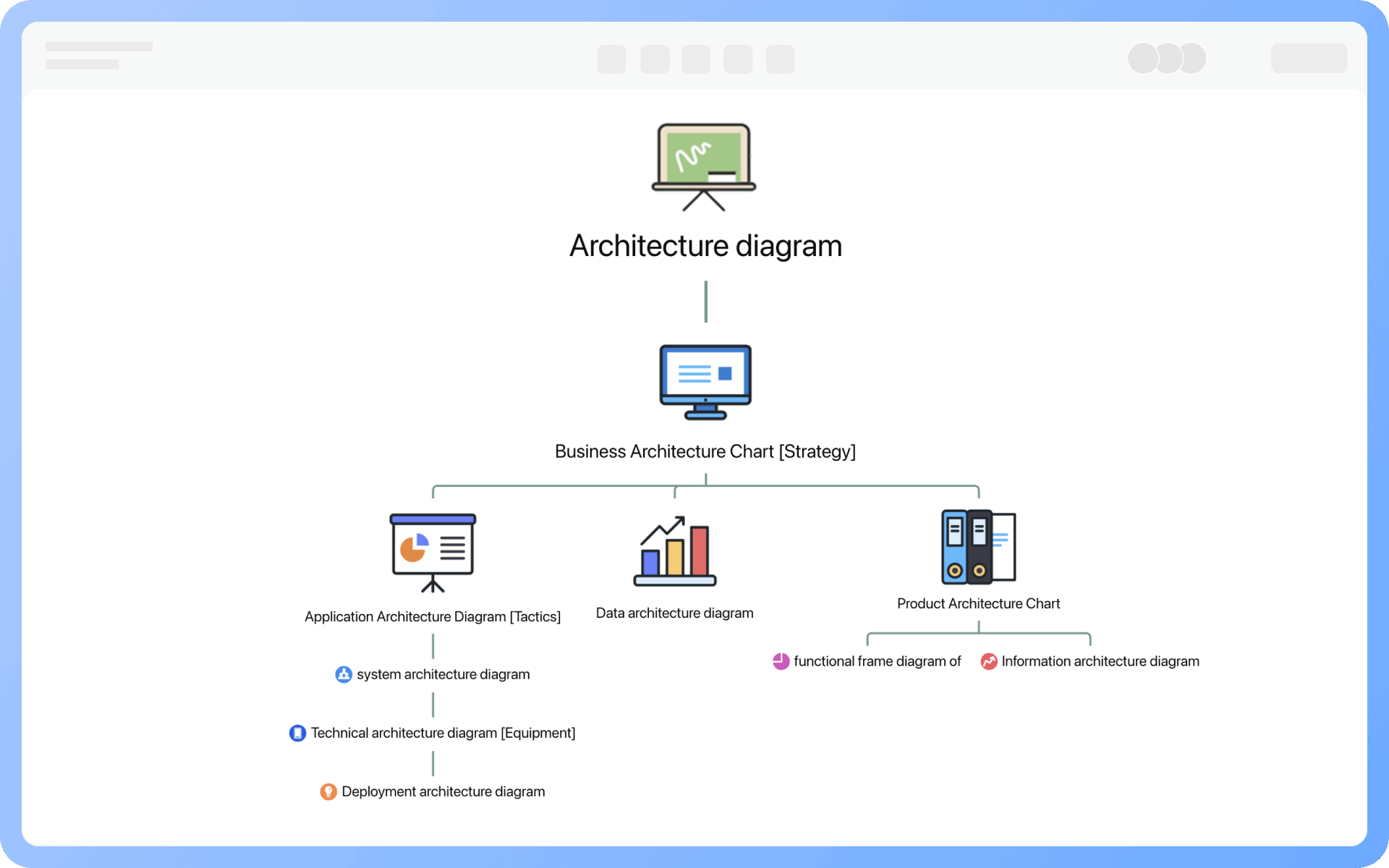
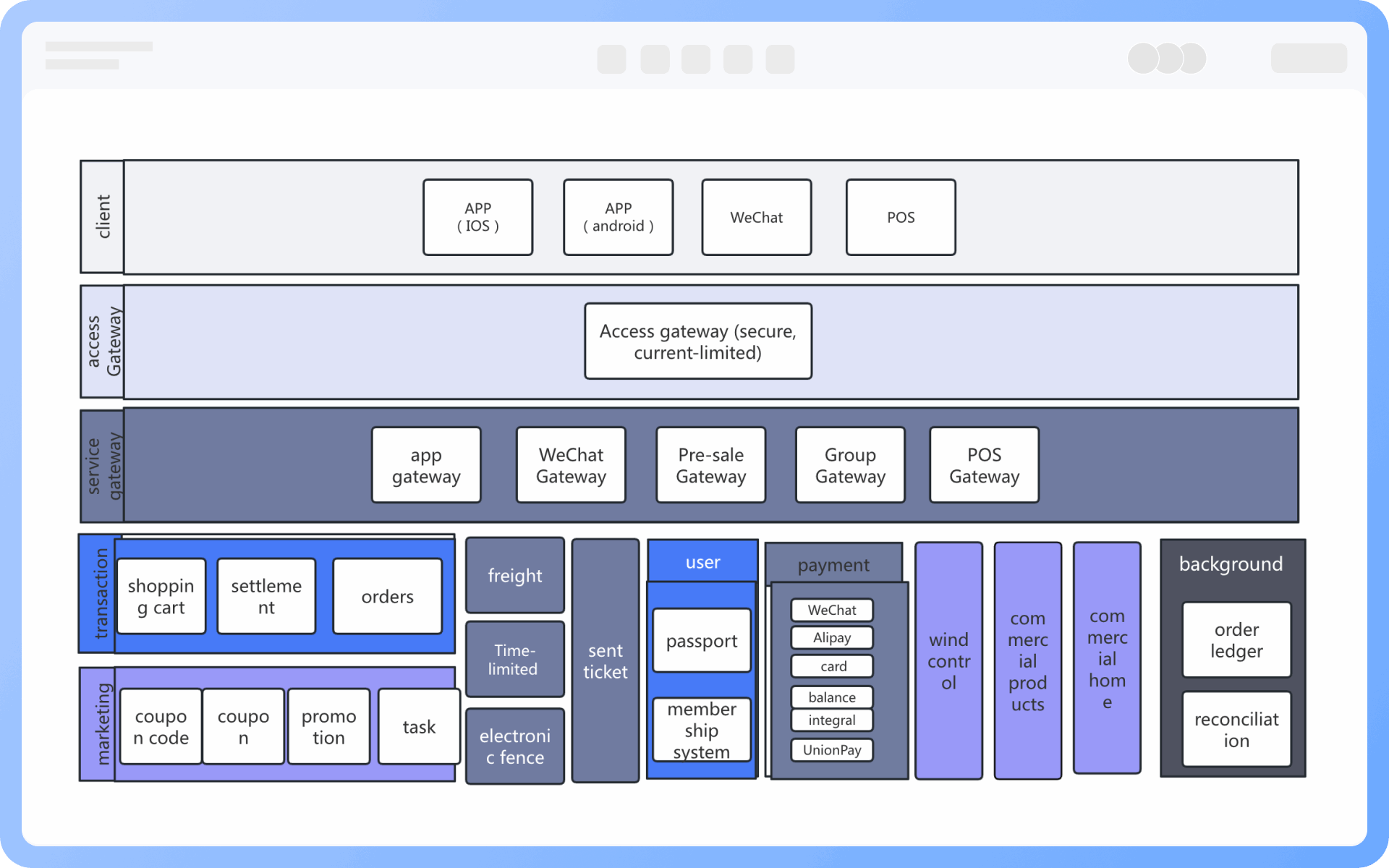
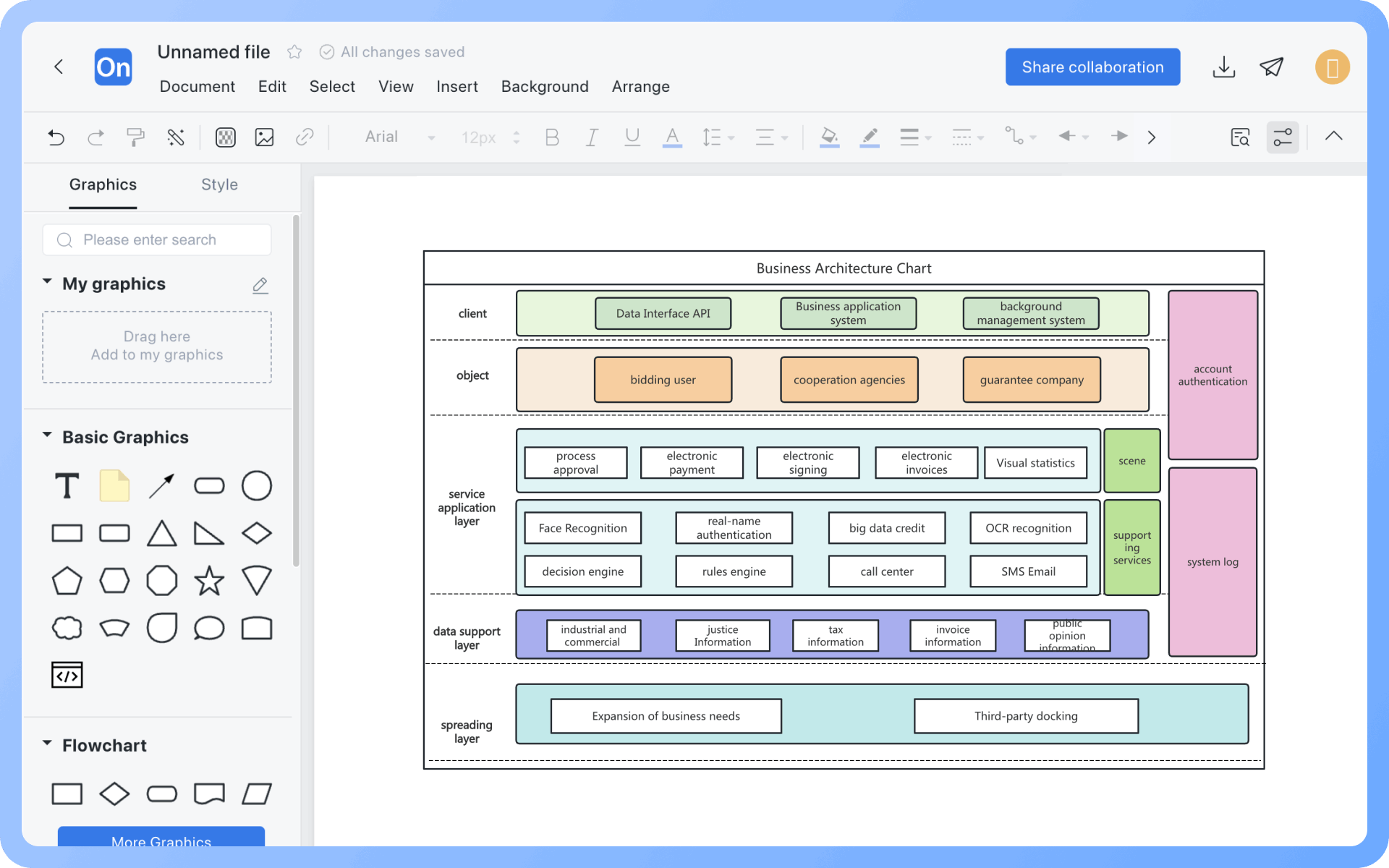
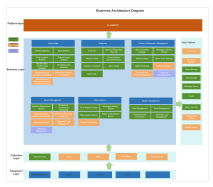
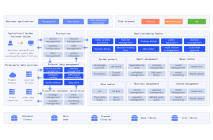
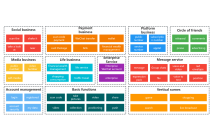
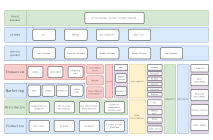
Business architecture is the core content of enterprise architecture, inheriting the enterprise strategy and directly determining the ability to implement the enterprise strategy. Therefore, the business architecture diagram is a prerequisite for other architectural diagrams, and all other types of architectural diagrams are refinements and breakdowns of the business architecture diagram.
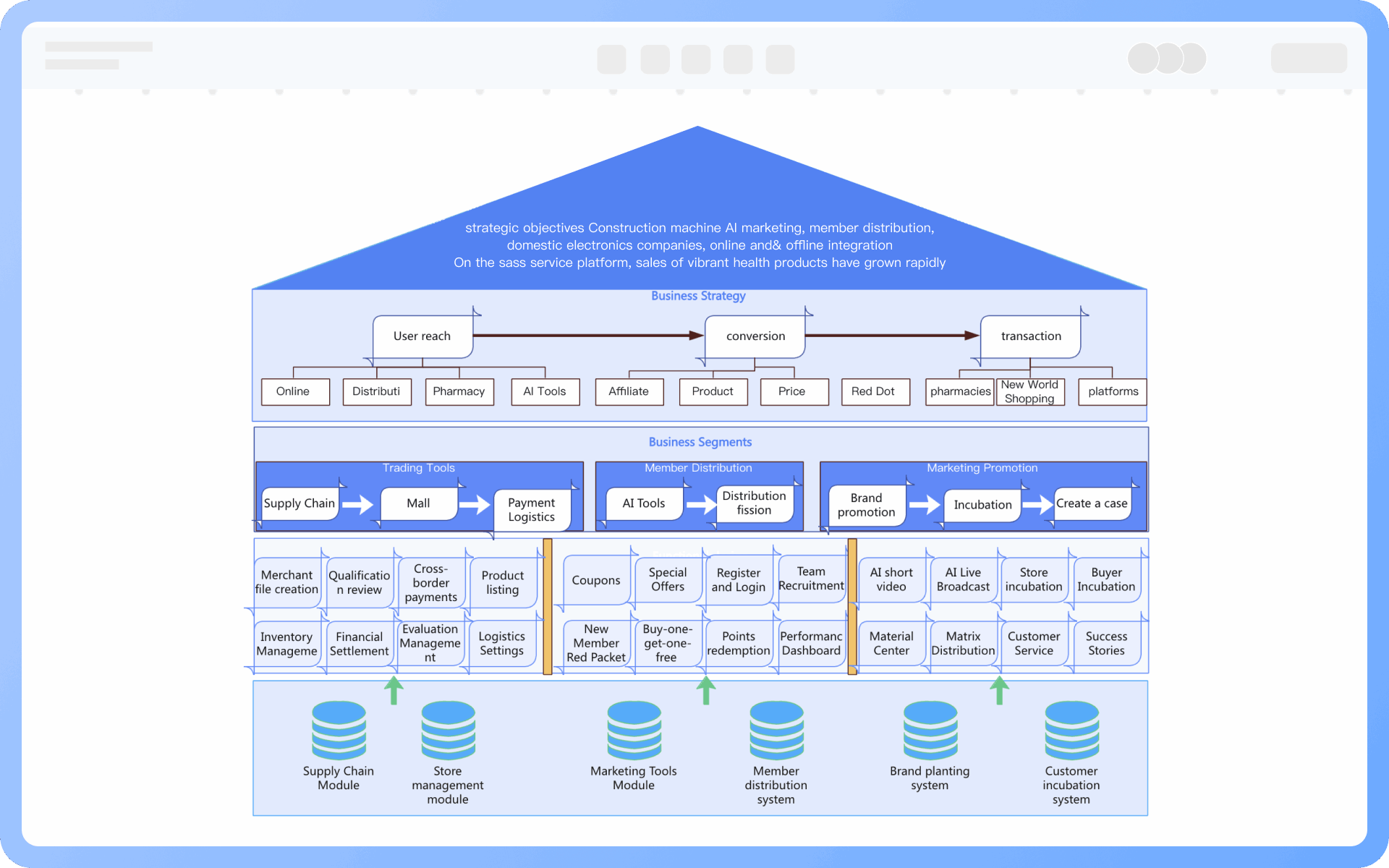
A business architecture diagram should at least include the organization's strategy, value chain, business processes, and business rules.
Core Objective
The business architecture diagram describes the enterprise's business model, processes, and collaboration relationships, focusing on "what to do".
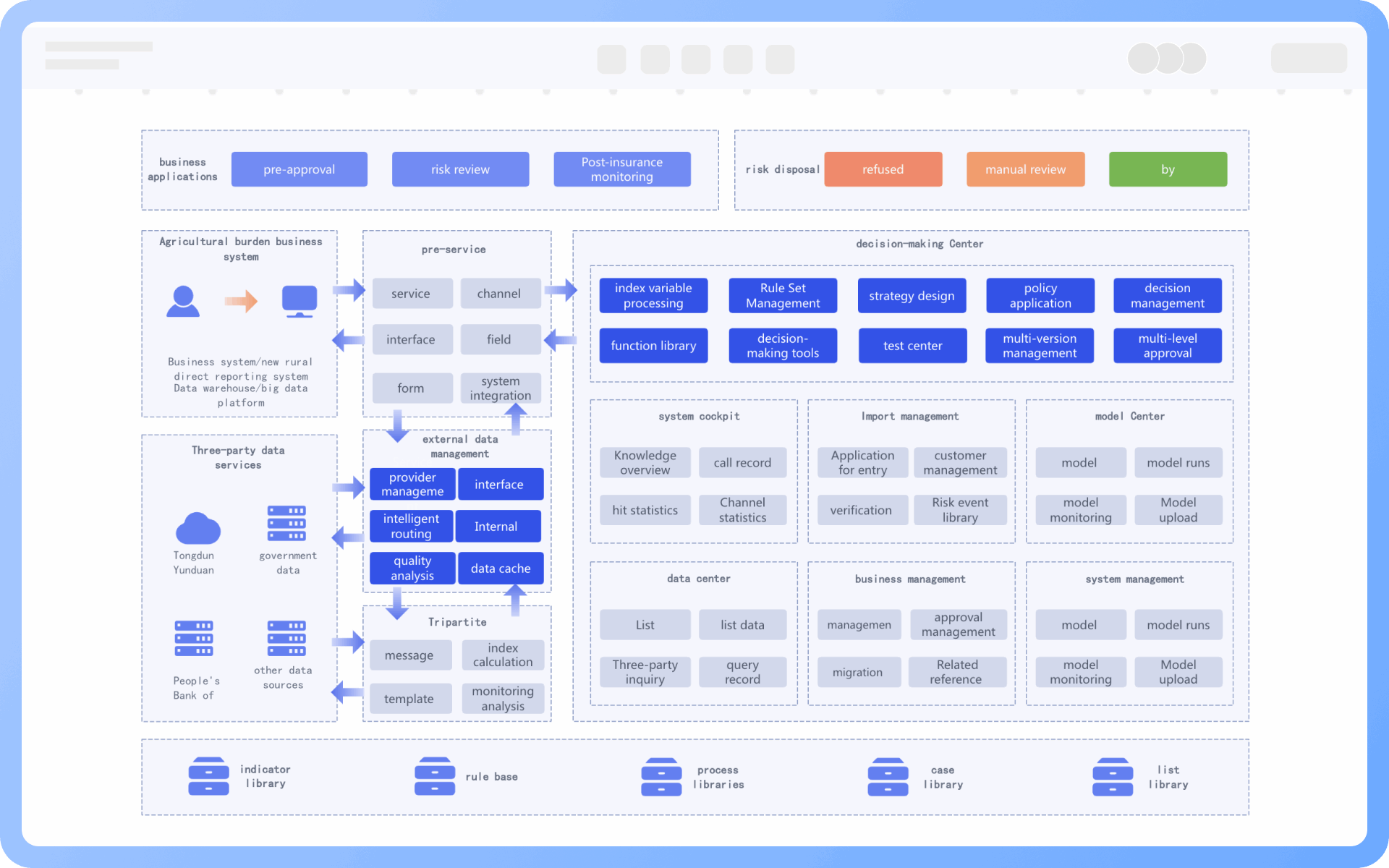
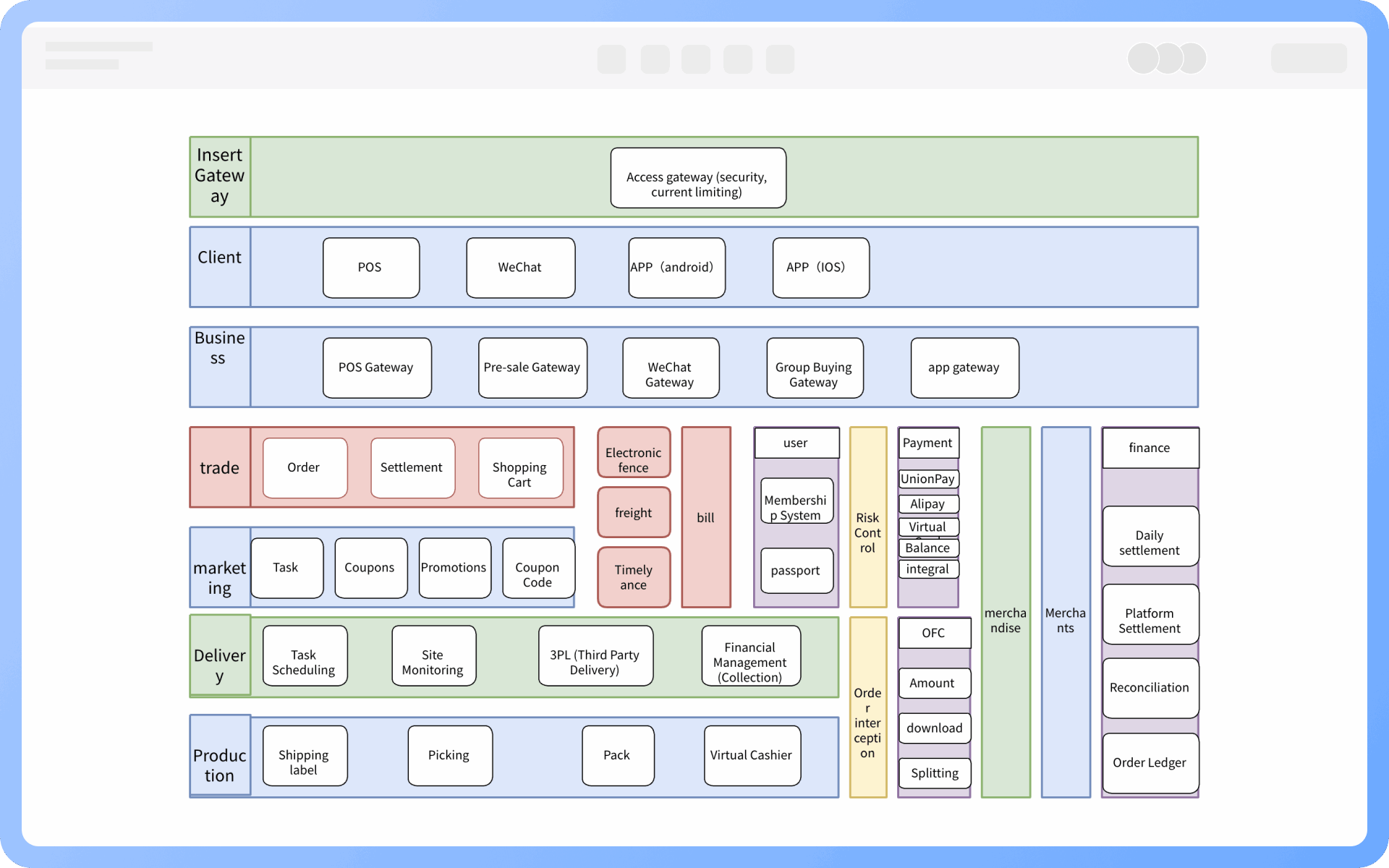
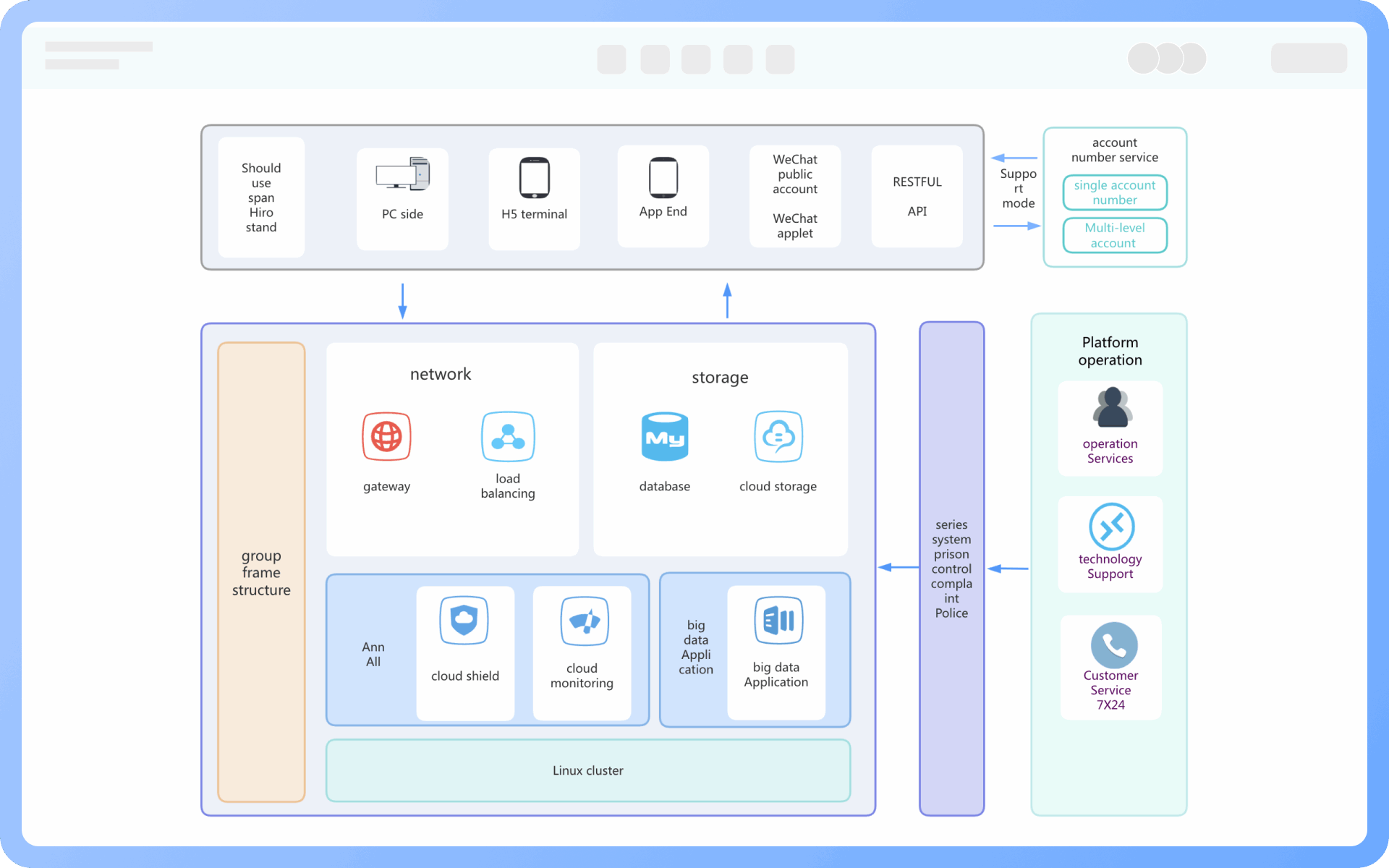
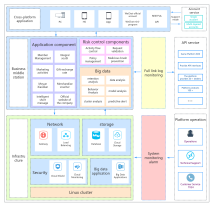
The application architecture diagram describes the composition and interaction of technical systems, focusing on "how to implement".
Focus
Business processes, business functions, organizational structure, business rules
Application components, data flow, technical interfaces, system integration
Design Basis
Enterprise strategy and business requirements
Output of business architecture and technical requirements
Users
Business analysts, managers (for strategic planning and process optimization)
System architects, developers (for technical implementation)
Business architecture is the foundation of product architecture: business architecture defines "what to do" (business objectives), while product architecture addresses "how to do it" (functional implementation).
1. Identify strategy by visiting business departments and conducting surveys.
2. Analyze external factors based on macro background, industry space, competition, and upstream and downstream industry chains for planning.
3. Integrate internal factors based on business models, technical barriers, and resource investment for planning.
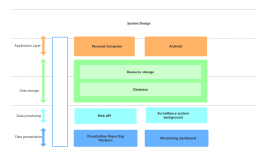
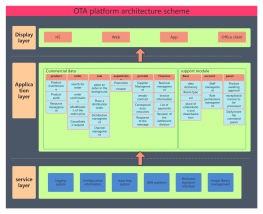
When drawing an architecture diagram, a layered modeling approach should be used to avoid some diagrams being just "labeling," too high-level and abstract to guide specific work; while others are filled with details, making them difficult to understand.
First layer: Core business capabilities (for leadership)
Second layer: Key processes and services (for management)
Third layer: Operational processes and system support (for implementation)
Various software tools can be used to create a business architecture diagram, depending on your goals (presentation, modeling, collaboration), team size, and whether standardized modeling is needed. ProcessOn is an excellent online graphic modeling tool for internet office workers and students, especially in drawing business architecture diagrams, flowcharts, and mind maps, and can perfectly replace Visio, Lucidchart, and other software.