


Practical Application of the 4P Marketing Theory
2 Report
Practical Application of the 4P Marketing Theory
Related Recommendations
Other works by the author
Outline/Content
See more
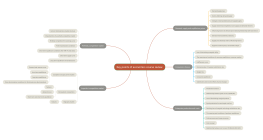
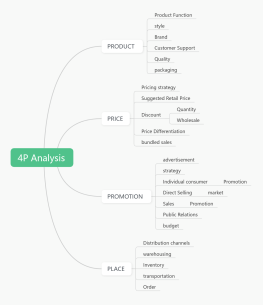
Product
product definition
Core products: products or services that meet the basic needs of consumers
Form product: The specific form of the product, including quality, design, brand, etc.
Extended products: Additional services or benefits, such as after-sales service, warranty, etc.
product development
Market research: Understand the needs and preferences of target markets
Product innovation: Design new products or improve existing products based on research results
Product testing: Test products on a small scale, collect feedback and make adjustments
Product Lifecycle Management
Introduction period: Promote new products and build market awareness
Growth period: Increase production and expand market share
Maturity period: Maintain market position and optimize product characteristics
Recession period: Reduce costs and consider product elimination or re-innovation
Price (Price)
pricing strategy
Cost-plus pricing: Based on cost plus a certain percentage of profit
Market-oriented pricing: Pricing based on market supply and demand
Competition-oriented pricing: Set prices with reference to competitors 'prices
price adjustment
Promotional discounts: Short-term price cuts attract customers and increase sales
Psychological pricing: Use consumer psychology, such as pricing at 9.99 instead of 10 yuan
Dynamic pricing: Adjust prices based on market demand and inventory conditions
price discrimination
Complete price discrimination: charging each customer a different price
Partial price discrimination: Charges vary based on customers 'purchasing ability or purchase volume
Time price discrimination: charging different prices for the same product at different times
Place (Place)
distribution channels
Direct distribution: Manufacturers sell directly to consumers
Indirect distribution: Sales through intermediaries such as retailers and wholesalers
logistics management
Inventory control: Ensure the balance between product supply and demand and reduce inventory costs
Transportation optimization: Choose the most cost-effective transportation method and route
market coverage
Comprehensive coverage: Sell products in all potential markets
Selective coverage: Sell products in only selected markets
Exclusive coverage: Select only one distributor in a specific market
Promotion
advertising
Media advertising: Use TV, radio, Internet and other media to promote
Content marketing: Creating valuable content to attract and retain customers
Social media marketing: Engage with consumers through social platforms to increase brand awareness
sales promotion
Coupons: Provide discounts or free samples to attract consumers to buy
Competitions and sweepstakes: Increase consumer engagement and brand exposure
Buy one get one free: Stimulate instant purchases and clear inventory
public relations
Media Relations: Establish good relationships with the media and get positive reports
Community participation: Participate in community activities to enhance brand image
Crisis management: Effectively handle negative events and maintain brand reputation
personal sales
Sales training: Improve the sales team's professional knowledge and sales skills
Sales strategy: Develop targeted sales plans and methods
Customer Relationship Management: Establishing and maintaining long-term relationships with customers
direct marketing
Email marketing: Communicate directly with consumers by mailing promotional materials
Telemarketing: Promote products directly to potential customers over the phone
Email marketing: Send emails for product promotion and information updates
network marketing
Search Engine Optimization (SEO): Improve your website's ranking in search engines
Social networks advertising: Using social platforms to target advertising
Content marketing: Attract potential customers through blogs, videos and other content
brand building
Brand positioning: Clarify the unique position of the brand in the market
Brand communication: Spread brand information through various channels and establish brand image
Brand loyalty: Cultivate customer loyalty by providing high-quality products and services
market segmentation
Target market selection: Determine the target market based on product characteristics and market research
Market positioning: Determine the unique selling points and value proposition of the product in the target market
Marketing strategy: Develop marketing strategies for different market segments
customer experience
Service design: Designing high-quality customer service processes and experiences
Customer feedback: Collect and analyze customer feedback and continuously improve products and services
Customer loyalty plan: Increase customer stickiness through points, membership and other means
Product Lifecycle Management
New product promotion: Attract attention through various promotion activities during the product introduction period
Growth marketing: Expand market share and increase product awareness
Maturity strategy: Maintain market position through promotion and brand building
Recession response: Reduce costs and potentially reactivate products through innovation
market research
Quantitative research: Collect data through questionnaires, data analysis and other methods
Qualitative research: In-depth understanding of consumers through interviews, focus groups, etc.
Competitive analysis: Analyze competitors 'strategies and market performance to find room for differentiation
data analysis and decision
Sales data analysis: Analyze sales data to understand product performance and market trends
Market trend prediction: Use historical data and market research to predict future trends
Marketing strategy adjustment: Adjust marketing strategy and budget allocation based on data analysis results
cross-channel marketing
Channel integration: Ensure consistency of information and experience across different marketing channels
Multi-channel experience: Provide consumers with a seamless shopping experience, no matter which channel they choose
Channel optimization: Optimize channel combinations based on consumer behavior and preferences
Customer Relationship Management (CRM)
Customer database: Establish and maintain a detailed customer information database
Customer value analysis: Assessing the life cycle value of different customers
Customer loyalty programs: Design and implement programs to increase customer loyalty
Innovation and adaptability
Market adaptability: Respond quickly to market changes and adjust marketing strategies
Product innovation: Continuously develop new products to meet market needs and changes
Marketing innovation: Try new marketing methods and technologies to improve marketing efficiency and effectiveness
Collect
Collect
Collect
Collect
Collect
Collect
Collect
Collect

0 Comments
Next Page