

Algorithm Model Template
0 Report
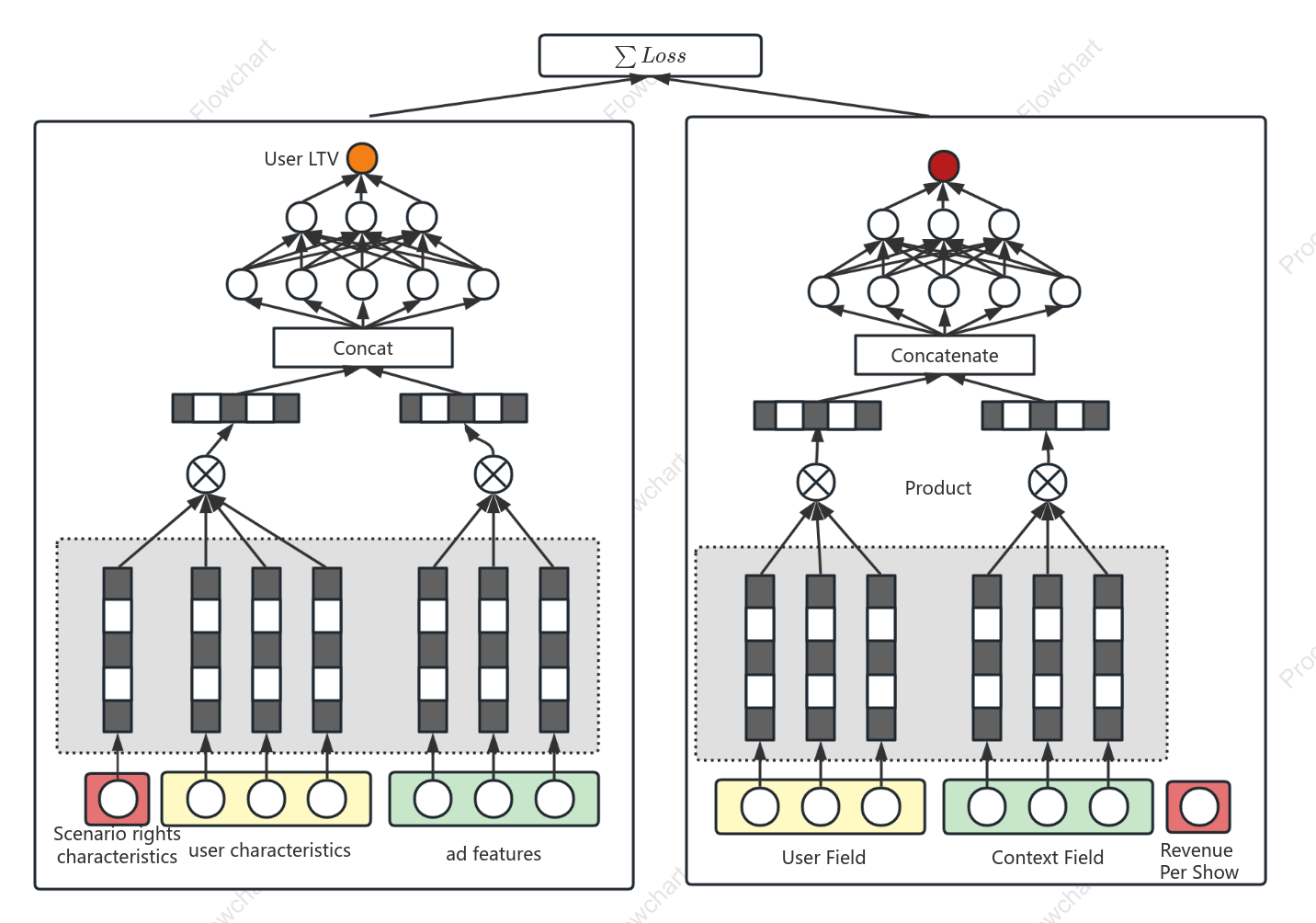
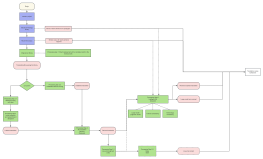
Algorithm models are the core mathematical logic connecting raw data and business decisions, mapping input features to an abstract representation of target prediction or classification results. This section systematically explains the basic components of algorithm models, including hypothesis functions, loss functions, optimization algorithms, and evaluation metrics. From classic linear regression, decision trees, and support vector machines, to random forests and XGBoost in ensemble learning, and then to neural network architectures in deep learning, different models make trade-offs in interpretability, computational complexity, and generalization ability. Furthermore, data partitioning (training/validation/test sets), regularization methods (L1/L2, Dropout), and hyperparameter tuning strategies (grid search, Bayesian optimization) involved in model training are also crucial for ensuring model robustness. By analyzing the entire process from bias-variance decomposition to convergence curve analysis, this section provides systematic guidance for building efficient, reproducible, and business-insightful algorithm solutions.
Related Recommendations
Other works by the author
Outline/Content
See more
user characteristics
Revenue Per Show
User LTV
Product
User Field
Concat
ad features
Scenario rights characteristics
Concatenate
Context Field
Collect
Collect
Collect
Collect
Collect
Collect
Collect

0 Comments
Next Page