
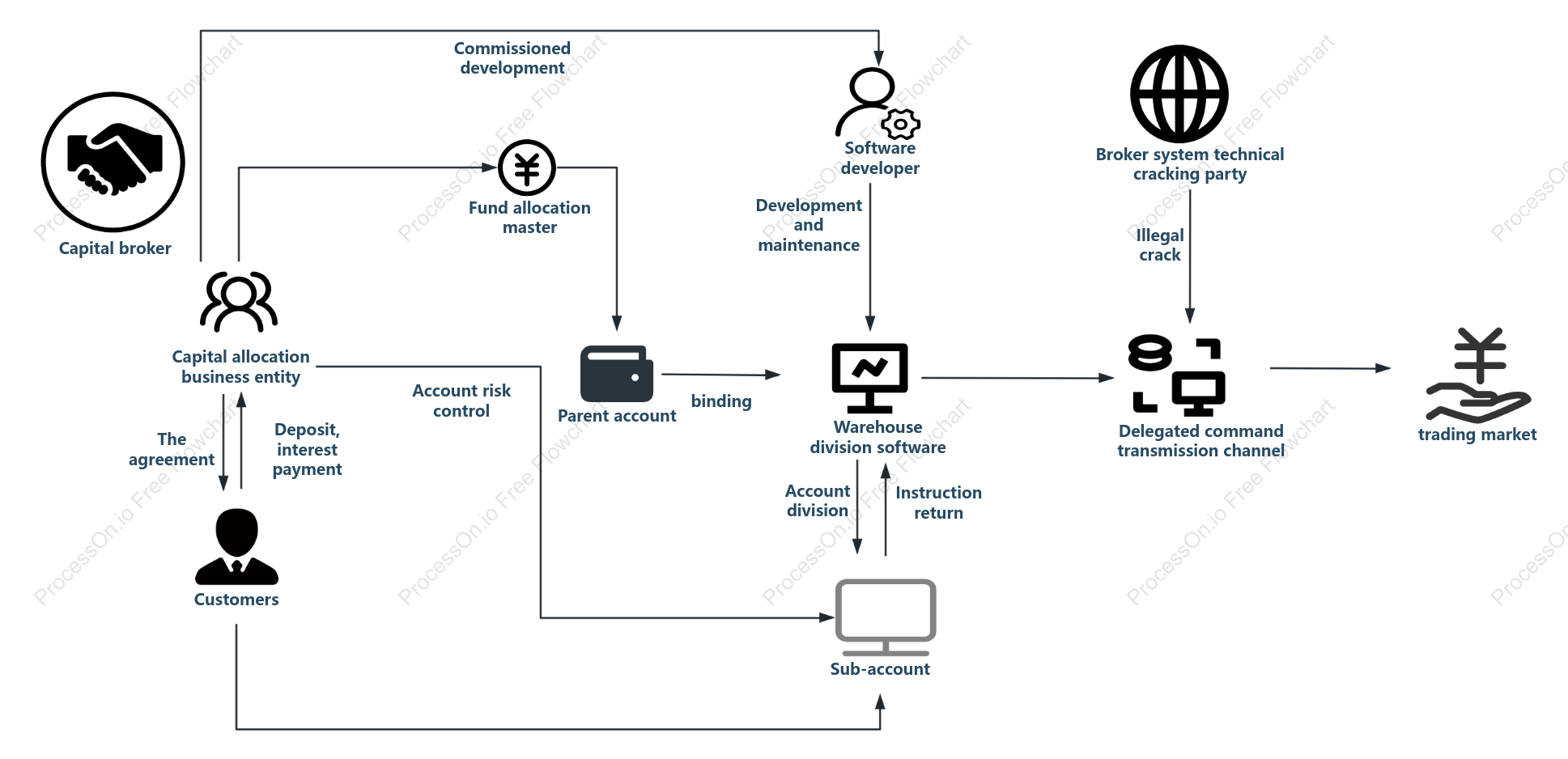

Software transaction development process
0 Report
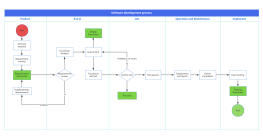
The software transaction development process is a lifecycle management standard for software products as commodities, encompassing buying, selling, licensing, or delivering services. It aims to balance the rights and interests of both supply and demand sides, reduce transaction risks, and ensure delivery quality. This section systematically describes the core stages of this process, including requirements and intention confirmation, technical evaluation and pricing, contract and legal clause signing, customized development and iterative delivery, acceptance testing and quality assurance, and the final intellectual property delivery and after-sales service loop. In the technical evaluation stage, it is necessary to clarify the software's architecture adaptation to cloud deployment, code ownership, interface documentation completeness, and data migration strategy; pricing models can be calculated based on man-days, feature point counts, or value-based pricing. Contract terms should focus on source code hosting and deposit mechanisms, phased payment ratios (e.g., 30%-40%-30%), acceptance criteria, and liability for breach of contract. The development phase employs agile iteration or waterfall models for milestone management, coupled with code reviews, security scans, and at least two rounds of user acceptance testing (UAT). Final deliverables include an executable program, development documentation, deployment manuals, and an operation and maintenance commitment letter, providing free defect fixes and emergency technical support for a certain period. Through requirements change control, transaction log documentation, and knowledge transfer training, this process provides a transparent, traceable, and auditable cooperation framework between software purchasers and service providers.
Related Recommendations
Other works by the author
Outline/Content
See more
Accountdivision
Illegalcrack
Account risk control
Warehouse division software
trading market
Capital broker
Delegated command transmission channel
Sub-account
Software developer
Customers
Parent account
binding
Instructionreturn
Theagreement
Broker system technical cracking party
Fund allocation master
Developmentand maintenance
Capital allocation business entity
Commissioned development
Collect
Collect
Collect
Collect

0 Comments
Next Page